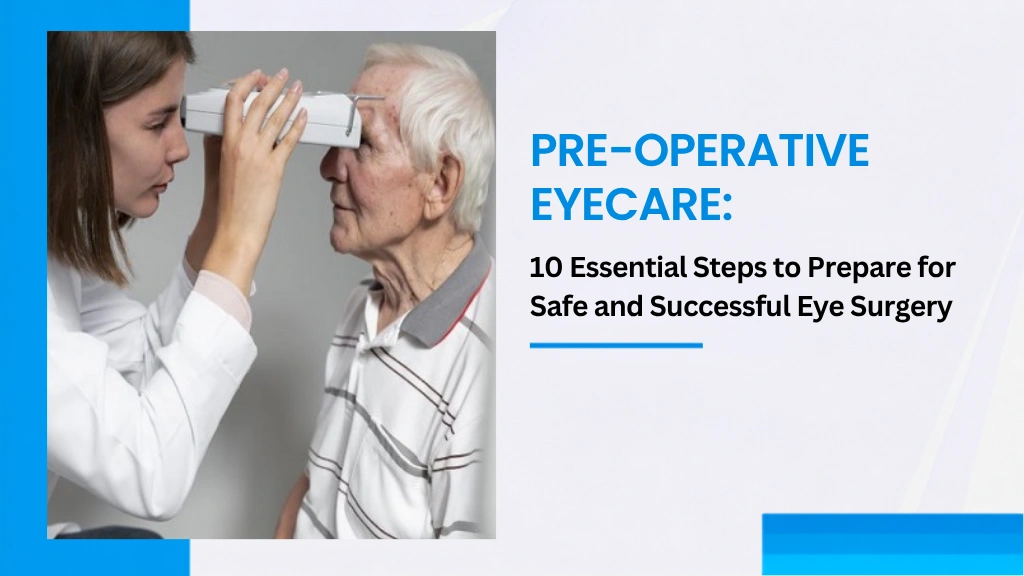
This guide outlines 10 essential pre-operative eye care steps to help you prepare confidently for a safe and successful eye operation. Always follow the personalised advice provided by your ophthalmologist, as preparation may vary depending on the type of surgery you are having.
Preparing for eye surgery is about much more than simply arriving on the day of your procedure. Good preparation helps ensure your eyes are in the best possible condition before surgery, reduces the risk of complications, and supports a smoother recovery. It also gives you the confidence of knowing exactly what to expect throughout your treatment journey.
Whether you are having cataract surgery, laser vision correction, glaucoma surgery, or another eye procedure, following your ophthalmologist’s advice carefully can help you feel informed, reassured, and fully prepared.
At Dr MM Eye Care, every patient receives personalised consultant-led care throughout their surgical journey. From your initial assessment to your recovery, Mr Manu Mathew and the clinical team are committed to ensuring you feel informed, reassured, and confident at every stage.
Why Good Preparation Matters
Preparing properly before eye surgery does more than help your operation run smoothly. It allows your ophthalmologist to gather the information needed to plan your treatment accurately while reducing avoidable risks during surgery.
Good preparation can help:
- Improve surgical accuracy
- Reduce the risk of infection and complications
- Support faster healing
- Minimise anxiety before surgery
- Help you achieve the best possible visual outcome
By understanding why each step matters, you’ll feel more confident and actively involved in your own care.
What Happens During Your Consultation?
Your pre-operative consultation is an important part of preparing for eye surgery. During this appointment, your ophthalmologist will assess your overall eye health, discuss your symptoms and medical history, and explain the procedure that is most suitable for your condition.
Your consultation may include:
- A detailed eye examination
- Vision testing
- Eye measurements
- Discussion of treatment options
- Review of your medical history and medications
- An opportunity to ask questions about your procedure and recovery
This appointment ensures your treatment plan is tailored to your individual needs while giving you the confidence to make informed decisions about your care.
1. Have a Comprehensive Eye Examination
A comprehensive eye examination is one of the most important steps before eye surgery. During your assessment, your ophthalmologist will examine the overall health of your eyes, identify any existing eye conditions, and perform detailed measurements needed to plan your procedure accurately.
Why it matters: These measurements determine the strength, size and positioning of any implant or correction used during your surgery. Small inaccuracies at this stage can affect your visual outcome, so getting them right beforehand is essential.
These tests help determine the most suitable treatment for your individual needs and reduce the likelihood of unexpected issues during surgery. If you have other eye conditions, such as glaucoma, diabetic eye disease, or dry eye, your ophthalmologist will ensure these are appropriately managed before your operation.
Attending all scheduled pre-operative appointments is essential, as they provide valuable information that helps your surgeon deliver the safest and most effective treatment.
2. Tell Your Ophthalmologist About All Medicines You Take
Before your surgery, tell your ophthalmologist about every medicine you take, including:
- Prescription medicines
- Over-the-counter medicines
- Vitamins
- Herbal remedies
- Dietary supplements
Why it matters: Some medicines can increase bleeding risk, interact with anaesthetic, or affect healing. Blood-thinning medication, certain diabetes medicines, or herbal supplements may need to be adjusted before your procedure. However, you should never stop taking prescribed medication unless your surgeon advises you to do so.
Providing a complete and accurate medical history allows your healthcare team to plan your treatment safely and minimise potential risks.
3. Use Your Prescribed Eye Drops Exactly as Directed
Your ophthalmologist may prescribe antibiotic or anti-inflammatory eye drops before your procedure. These medications help reduce the risk of infection, control inflammation, and prepare your eyes for surgery.
Why it matters: Eye drops used incorrectly, or missed doses, can leave your eye more vulnerable to infection or inflammation right before a procedure that needs it to be as healthy as possible.
It is important to:
- Use your eye drops exactly as prescribed
- Follow the recommended schedule without missing doses
- Wash your hands before applying the drops
- Avoid touching the bottle tip to your eye or eyelids
If you are unsure how to use your eye drops correctly, ask your healthcare team for guidance before your surgery. Using your medication properly plays an important role in supporting a safe procedure and a smooth recovery.
4. Stop Wearing Contact Lenses Before Surgery
If you wear contact lenses, your ophthalmologist may ask you to stop wearing them before your operation.
Why it matters: Contact lenses can temporarily change the shape of your cornea, making surgical measurements less accurate. If measurements are taken too soon after lens wear, your surgery could be planned around a cornea shape that doesn’t match how your eye looks on the day.
The length of time you should avoid wearing contact lenses depends on:
- The type of contact lenses you use
- The procedure you are having
- Your ophthalmologist’s recommendations
Soft contact lenses may only need to be removed for a few days before surgery, while rigid gas permeable lenses often need to be discontinued for several weeks.
Always follow your surgeon’s instructions carefully to ensure the most accurate measurements and the best possible surgical outcome.
5. Arrange Your Journey Home in Advance
Most patients are advised not to drive after eye surgery, particularly if they have received sedation or their vision is temporarily affected.
Why it matters: Sedation and temporary changes in vision can affect your reaction times and depth perception, so driving yourself home isn’t safe even if you feel fine.
Before the day of your procedure, arrange for a family member, friend, or responsible adult to take you home. If you live alone, consider asking someone to stay with you for the first few hours after surgery, especially if your surgeon recommends it. Planning your transport in advance allows you to focus on your recovery without unnecessary stress.
If you are unsure whether you can drive after your procedure, speak to your ophthalmologist before the day of surgery.
Have questions about preparing for surgery? Book a consultation with Mr Manu Mathew.
6. Follow Your Medication and Fasting Instructions
Your healthcare team will give you specific instructions to follow before your operation. These may include guidance about eating, drinking, and taking your regular medicines.
Why it matters: If your procedure involves general anaesthesia or sedation, an empty stomach reduces the risk of complications during anaesthetic. Following fasting instructions precisely helps your surgery go ahead as planned, without last-minute delays.
To help ensure your surgery goes ahead safely:
- Follow all fasting instructions carefully
- Take only the medicines your healthcare team has approved
- Contact the clinic if you are unsure about any medication
Following these instructions helps reduce the risk of complications during your procedure.
7. Prepare Your Home for a Comfortable Recovery
Making a few simple preparations before your surgery can make your recovery easier and more comfortable.
Why it matters: In the first day or two after surgery, your vision may be blurred and you’ll want to avoid unnecessary bending or reaching. Preparing in advance means you can rest properly instead of managing your home and your recovery at the same time.
Before your procedure, have the following items ready:
- Prescribed eye drops and medicines
- Protective eye shield, if provided
- Clean tissues or sterile gauze
- Sunglasses for outdoor use
- Easy-to-prepare meals
- Extra pillows to keep your head comfortably supported while resting
You should also arrange your home so that frequently used items are within easy reach. Avoid unnecessary lifting, bending, or household tasks during the early stages of recovery if your surgeon advises against them.
Preparing your home in advance allows you to focus on resting and healing after your operation.
8. Avoid Wearing Make-up, Creams or Lotions on the Day of Surgery
On the day of your surgery, your face should be clean and free from make-up, moisturisers, creams, lotions, perfumes, or aftershave, particularly around the eyes.
Why it matters: These products can increase the risk of contamination and may interfere with maintaining a sterile environment during your procedure.
You should also avoid:
- Eye make-up
- False eyelashes
- Facial creams around the eye area
- Glitter or cosmetic products that may shed particles
Following these simple precautions helps reduce the risk of infection and supports a safe surgical procedure.
9. Wear Comfortable Clothing
Choose loose-fitting, comfortable clothing on the day of your surgery. Shirts or tops that fasten at the front are often easier to remove after your procedure, as they do not need to be pulled over your head.
Why it matters: You’ll want to move as little as possible around your face and eyes after surgery. Clothing that’s easy to change without lifting your arms over your head helps you avoid accidentally touching or disturbing your eye.
You should also:
- Wear flat, comfortable shoes
- Leave valuable jewellery at home where possible
- Avoid wearing contact lenses unless your healthcare team advises otherwise
- Bring any documents or medications requested by the clinic
Comfortable clothing helps you feel more relaxed and reduces the chance of accidentally touching or disturbing your eye after surgery.
10. Stay Calm and Follow Your Healthcare Team’s Advice
It is completely normal to feel anxious before eye surgery. Most eye procedures are routine, and your healthcare team will guide you through every stage of your treatment.
Following your surgeon’s advice gives you the best chance of a smooth recovery.
To help manage anxiety before your appointment, you could:
- Practise slow, deep breathing
- Listen to calming music
- Read or listen to something relaxing
- Arrive early to avoid feeling rushed
- Ask your healthcare team any questions before your procedure
Understanding what to expect can help you feel more confident and prepared. If you have any concerns before your surgery, do not hesitate to discuss them with your ophthalmologist or surgical team.
What Happens on the Day?
Knowing what to expect can make the day itself feel far less daunting:
- Arrival — you’ll be welcomed and checked in ahead of your admission time
- Admission — your medical history and consent will be confirmed, and any final questions answered
- Anaesthetic — local anaesthetic drops, or sedation if required, will be administered
- Surgery — most procedures take only a short time in theatre
- Recovery — you’ll rest under observation before being discharged
- Discharge — you’ll receive aftercare instructions and be able to go home with your escort
What to Expect During Recovery
It’s natural to think ahead to recovery while you’re still preparing. In the days following your surgery, you can generally expect:
- Temporary blurred or hazy vision, which usually settles within a few days
- A protective shield to wear, particularly overnight, to prevent accidental rubbing or knocks
- A course of prescribed eye drops to reduce infection risk and support healing
- A follow-up appointment so your ophthalmologist can check your eye is healing as expected
Your surgeon will give you personalised guidance on what is normal for your specific procedure and when to seek advice if anything feels different.
Key Takeaways
Preparing well before surgery helps reduce stress, supports a smoother recovery, and contributes to the best possible outcome. Remember these key points:
- Attend all pre-operative appointments.
- Use prescribed eye drops exactly as directed.
- Arrange transport home after surgery.
- Prepare your home for a comfortable recovery.
- Follow all instructions provided by your ophthalmologist.
Looking Beyond Surgery
Preparing well before surgery is an investment in your future vision. Whether your goal is reading comfortably, driving with greater confidence, enjoying hobbies, or maintaining your independence, successful eye surgery can have a meaningful impact on your quality of life.
By following your ophthalmologist’s guidance before and after your procedure, you give yourself the best opportunity to achieve lasting visual improvement and enjoy everyday activities with greater confidence.
Why Consultant-Led Care Matters
Choosing consultant-led care means every stage of your treatment is overseen by an experienced ophthalmic surgeon. From diagnosis and surgical planning to post-operative reviews, your care remains consistent and personalised throughout your journey.
At Dr MM Eye Care, Mr Manu Mathew combines extensive consultant experience with advanced diagnostic technology to deliver treatment plans tailored to each patient’s individual needs, helping ensure safe, effective, and reassuring care.
Conclusion
Preparing for eye surgery involves more than simply arriving on the day of your procedure. Following your ophthalmologist’s pre-operative instructions, attending all scheduled appointments, using prescribed medications correctly, and planning your recovery in advance can all contribute to a safer operation and a smoother healing process.
Every patient is different, and preparation may vary depending on the type of eye surgery you are having, your general health, and any existing eye conditions. Always follow the personalised guidance provided by your ophthalmologist to ensure the safest possible treatment and the best chance of a successful outcome.
By taking these simple steps, you can approach your surgery feeling informed, prepared and confident knowing you have done everything possible to support your vision and your recovery.
Ready to take the next step towards clearer vision? Book a consultation with Mr Manu Mathew to receive personalised advice and expert care before your procedure.